

Published on: March 3, 2025
The obsession with “Big Data” is finally dead. For years, we were fed this idea that more was always better. Just fill the “data lake” and the insights will float to the top, right? Wrong. Most brands ended up with a digital swamp—expensive to maintain and impossible to navigate. As we move through 2025, the conversation has shifted. It’s no longer about how much you can collect. It’s about how much you can cut. Data curation is the new power move. If your stack isn’t engineered for outcomes by focusing on sharp, high-intent signals, you’re just paying to store digital trash.
The Myth of the Data Lake
Let’s be honest: most “Big Data” is just noise. When you track every single move a user makes across the web, you don’t get a clearer picture. You get a blurry one. High storage costs and sluggish decision-making are the only real results of data bloat.
Modern advertising needs a leaner approach. You need to be a curator, not a hoarder. By cleaning and selecting only the data points that actually predict a purchase, you stop guessing and start performing. When the strategy is strictly engineered for outcomes, you find that 10% of your data is usually doing 90% of the work. Why pay for the other 90%?
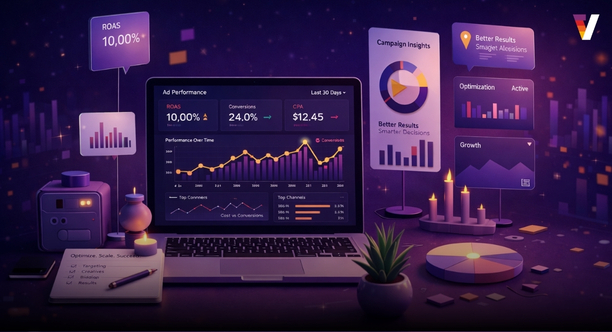
Privacy Didn’t Kill AdTech—It Fixed It
The privacy shifts of the last couple of years were a wake-up call. We had to stop relying on shaky, third-party crumbs and start building something real. This forced the industry into a much-needed era of data curation. At Vertoz, this shift reflects “Engineered for Outcomes,” where sharper data selection, privacy-first thinking, and high-intent signals define performance.
- First-Party or Bust: Your own data is your only “truth.” Everything else is a guess.
- Context is Everything: Where an ad appears tells you more about intent than a cookie ever did.
- Signal Strength: If a data point doesn’t correlate with a sale, delete it.
- Consent as a Filter: High-quality, consented data is more valuable than millions of “shadow” profiles.
Making the Pivot
So, how do you actually do this? It starts with an audit. You have to look at your sources and ask: “Is this helping us win, or is it just filling a spreadsheet?”
Many smart brands—often looking toward the streamlined models championed by teams like Vertoz—are moving toward specialized environments like Data Clean Rooms. They aren’t trying to reach “everyone.” They are trying to reach the “right” people. This isn’t about being small; it’s about being effective. When your infrastructure is engineered for outcomes, you value a single high-intent signal over a thousand vague ones.
The Leaner, Faster Result
A curated strategy is a fast strategy. When your algorithms aren’t fighting through layers of useless info, they optimize faster. Your bidding becomes more accurate. Your CPA drops.
This is the heart of 2025 AdTech. We are moving away from the “spray and pray” mindset and toward a surgical precision that respects the consumer’s experience. You stop being a nuisance and start being a relevant suggestion at the exact right moment.
Conclusion
The “Big Data” era was a learning phase, but it’s over. The winners in late 2025 are the ones who can prune the noise. You need to keep your data clean and your focus even cleaner.
Whether you’re building your own internal curation engine or leaning on experts like Vertoz to sharpen your reach, the goal stays the same. Don’t just collect. Curate. Make sure every signal you act on is engineered for outcomes. In a world full of noise, the quietest, most precise brands are the ones getting noticed.